

BTN1A1:
A New Breakthrough in Immuno-oncology
We present an exciting alternative in areas where existing immune checkpoint inhibitors have not been effective.
BTN1A1 Recognized as a New Immune- Oncology Target
BTN1A1 is an immune checkpoint protein that disrupts the normal immune activity of T cells in the
human body. While it is not expressed or is expressed only at extremely limited levels in normal cells,
it is strongly expressed in cancer cells. Therefore, treatment targeting BTN1A1 exhibits minimal toxicity, effectively suppressing cancer cells while minimizing side effects on normal cells.
We are developing an immune checkpoint inhibitor known as ‘Nelmastobart’, an anti-BTN1A1-antibody
that activates the immune function of suppressed T cells. Through various preclinical and
human clinical studies, we have consistently observed that Nelmastobart is safe and effective.
Mutually
Exclusive Expression with PD-L1
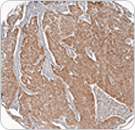
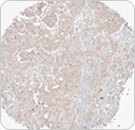
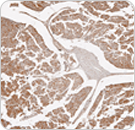
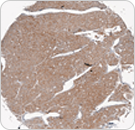
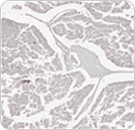
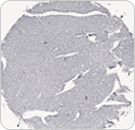
BTN1A1 is expressed in mutually exclusive manner to PD-L1, the most prominent anti-cancer target for existing immune checkpoint inhibitors. The two proteins show different expression patterns in terms of location and timing within tumor tissues. Notably, high expression of BTN1A1 is observed in most solid tumors where the expression of PD-L1 is low, which is a key research finding confirmed through our preclinical studies.
This characteristic suggests that the BTN1A1-targeted therapy could be an exciting new treatment option to address the unmet needs of patients who are resistant to PD-(L)1-targeted immune checkpoint inhibitors.
| Category | Colon | Lung | H&N | Bladder | Breast | Prostate | Pancreas |
|---|---|---|---|---|---|---|---|
| BTN1A1 |  |
 |
 |
 |
 |
 |
 |
| PD-L1 |  |
 |
 |
 |
 |
 |
 |
Opal multiplex staining (다중면역형광염색법) 검사
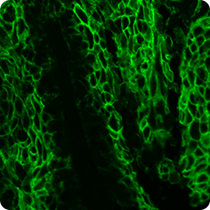

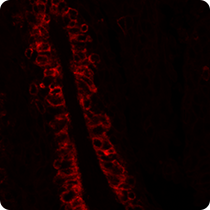

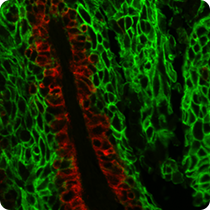



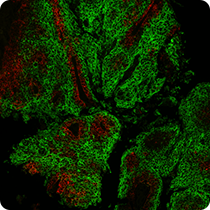
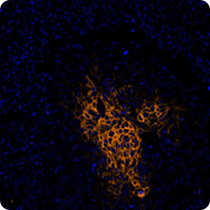

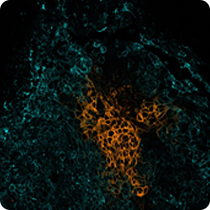




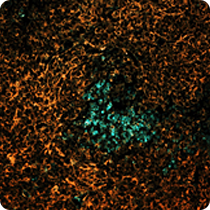
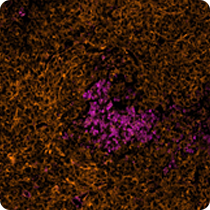
BTN1A1 does not overlap with PD-L1 and Ki-67, showing a distinct expression pattern.
Ki-67 is a cell proliferation-related protein expressed in proliferative tumor cells. It also shows an expression pattern mutually exclusive to BTN1A1.
This suggests that BTN1A1, unlike PD-L1, is expressed in non-proliferative tumor cells such as resistant/refractory and metastatic cancer cells, rather than rapidly growing early-stage cancer cells.
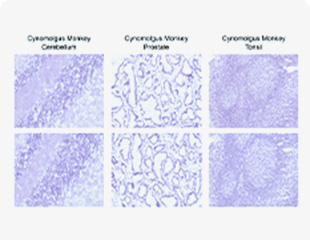
Limited expression in normal tissues
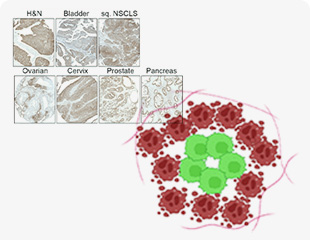
Robust expression in cancer cells
BTN1A1 expressed in dormant or chemo-resistant cancer cells
Mutually exclusive expression to PD-L1 spatially & temporally
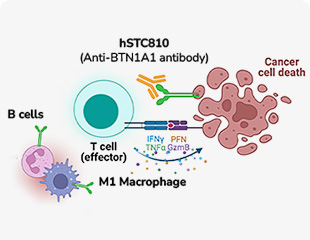
Proven Immune checkpoint
Expressed in B cells, M1 macrophage, and activated T cells

Ease of Evaluation and Rapid Results
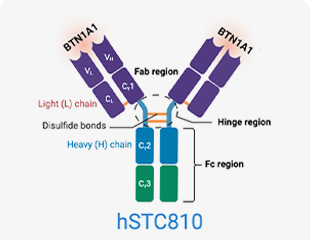
Humanized monoclonal antibody fused to human lgG4
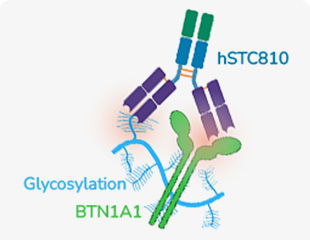
Specific antibody against human BTN1A1
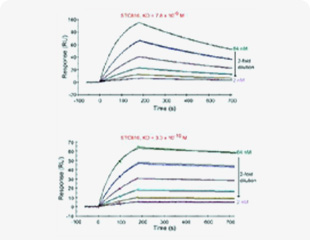
Glycosylated BTN1A1 Kd = 3.3 X 10⁻¹⁰
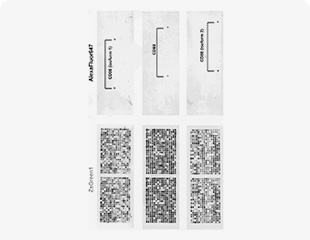
Only binds to BTN1A1 among more than 4,500 membrane proteins tested

